
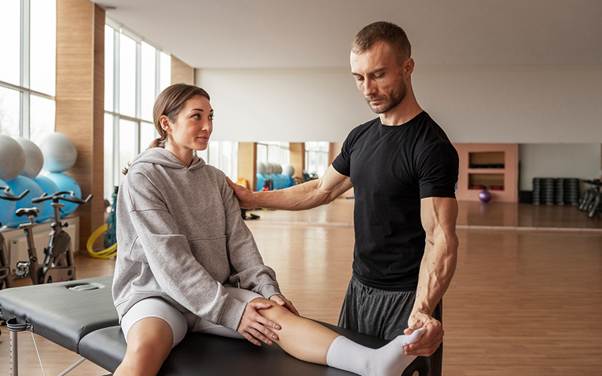
Knee pain is a common issue affecting people of all ages, whether from sports injuries, age-related wear, or post-surgical recovery. Left untreated, it can limit movement and disrupt daily routines, from walking to climbing stairs. Physiotherapy in Singapore offers a structured approach to managing this condition by addressing the root causes and promoting gradual recovery. Through targeted exercises, manual techniques, and education, patients can regain function and reduce discomfort. Knee pain physiotherapy focuses not only on relieving immediate symptoms but also on supporting long-term joint health.
What is Knee Pain?
Knee pain can arise from a variety of conditions, ranging from ligament injuries and cartilage damage to arthritis and overuse. Identifying the underlying cause is essential, as treatment approaches differ depending on the source of pain. For example, sports-related injuries may require strengthening and stabilisation, while age-related degeneration might focus more on mobility and pain management. Physiotherapists conduct detailed assessments to tailor care plans to the specific needs of each individual.
Lifestyle factors also play a role. Poor posture, repetitive strain, and lack of proper footwear can all contribute to stress on the knee joint. Knee pain physiotherapy takes these external factors into account by not only treating the symptoms but also advising on adjustments that reduce strain in daily activities.
How Physiotherapy in Singapore Helps Recovery
Physiotherapy in Singapore provides a non-invasive approach to managing knee pain, using evidence-based techniques to restore mobility and function. One of the key strategies involves structured exercise programmes that focus on strengthening the muscles supporting the knee. Stronger muscles reduce pressure on the joint, improving stability and decreasing discomfort. Flexibility training and balance exercises are also used to restore natural movement and reduce the risk of reinjury.
In addition, manual therapy techniques such as mobilisation and massage may be applied to ease stiffness and promote better joint function. These are often combined with modalities like heat or cold therapy to manage pain. By integrating various treatment methods, physiotherapists provide a comprehensive plan that addresses both immediate pain relief and long-term rehabilitation.
Benefits of Knee Pain Physiotherapy
Knee pain physiotherapy helps reduce discomfort through targeted techniques that ease pressure on the joint without relying heavily on medication. It restores mobility by combining exercises with manual therapy, enabling patients to regain natural movement. Strengthening surrounding muscles also provides greater stability, protecting the knee from additional strain during daily activities.
Another important aspect is the personalised approach. Treatment programmes are tailored to the individual’s condition and goals, ensuring that specific needs are met effectively. Physiotherapists also focus on prevention by teaching proper posture, recommending suitable footwear, and encouraging safe exercises. These combined efforts not only support recovery but also reduce the risk of recurring knee pain in the long term.
The Role of Education and Lifestyle Adjustments
An important part of knee pain physiotherapy is teaching patients how to manage their condition independently. Physiotherapists often provide advice on safe movement patterns, correct posture, and suitable footwear. These adjustments minimise unnecessary strain on the knees and support the recovery process.
Incorporating lifestyle changes, such as weight management and regular low-impact exercise, can also make a significant difference. Patients who follow these recommendations are more likely to experience sustained improvements and reduced flare-ups. By empowering individuals with knowledge and practical strategies, physiotherapy in Singapore ensures recovery goes beyond the treatment room.
Conclusion
Physiotherapy in Singapore provides a structured, non-invasive approach to managing knee pain. Through exercise, manual therapy, and education, knee pain physiotherapy not only alleviates discomfort but also helps patients build long-term resilience in their joints. For those struggling with pain that interferes with daily life, seeking professional support can make recovery more manageable and sustainable.
Contact The Movement Laboratory to book your knee pain physiotherapy sessions today.
