
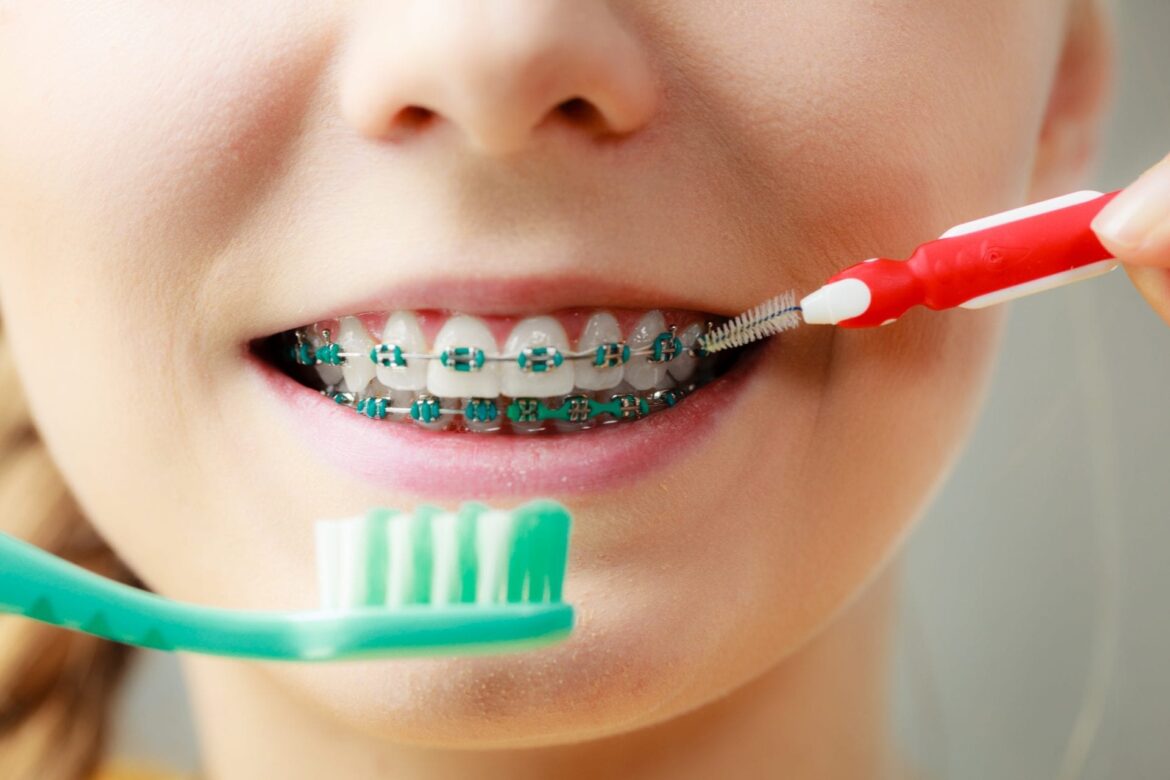
Brushing and flossing are important habits that keep our teeth and gums healthy throughout life. Many of us learn how to brush when we are very young and continue doing it the same way for years. But as time passes, we may need to improve our brushing technique to make sure we are cleaning our teeth properly.
The main goal of brushing is to get rid of plaque. Plaque is a sticky layer that forms on teeth and contains bacteria. These bacteria produce acids that can slowly damage tooth enamel, leading to cavities. For people searching for free invisalign consultation near me, understanding proper plaque control is essential. If plaque is not removed regularly, it can also cause gum disease and bad breath. Experts believe that most dental problems happen simply because plaque builds up too much.
Toothpaste also plays a role in keeping teeth strong. The fluoride present in many toothpastes helps protect enamel and makes teeth more resistant to decay. Brushing not only protects teeth from disease but also keeps the mouth feeling fresh and clean.
There isn’t just one correct way to brush, but certain steps help ensure your teeth get fully cleaned. Here is an easy method to follow:
Step-by-Step Brushing Technique
Choose the right toothbrush
Use a soft-bristled toothbrush with a small head. This helps you reach all areas inside the mouth comfortably and prevents gum damage.
Use a pea-sized amount of toothpaste
You do not need a lot of toothpaste. A small amount is enough to clean your teeth well.
Start with the outer surfaces
Place the brush at a 45-degree angle where the teeth meet the gums. Use gentle, short strokes or small circular movements. Do not scrub too hard — brushing with force can hurt your gums and wear down your enamel.
Clean every section
Work on a few teeth at a time. As you finish one area, move to the next until you complete the outer surfaces of your upper teeth. Then repeat the same steps for the outer surfaces of your lower teeth.
Brush the inner surfaces
Tilt the brush so the bristles point toward the gum line and clean the inside surfaces of the top and bottom teeth. These areas are easy to forget, but plaque builds up there too.
Clean the chewing surfaces
Lay the bristles flat and brush the tops of the molars where food often gets stuck.
Don’t forget the tongue
Gently brushing your tongue removes bacteria and helps keep your breath fresh.
Brushing twice a day for at least two minutes each time is recommended for the best results. However, brushing alone cannot clean the tight spaces between teeth.
The Importance of Flossing
Flossing removes food and plaque trapped between teeth where a toothbrush cannot reach. It prevents gum irritation and reduces the risk of decay in those hidden areas. Floss once a day by gently sliding the floss between each tooth and cleaning along the sides.