
When you’re tired, snoring loudly, or waking up groggy even after hours of sleep, it’s natural to question whether something deeper is affecting your nights. At this point, your doctor may talk to you about different sleep disorder screening methods. One option is a home sleep study Singapore. The other is a lab test done in a specialised centre. Both sound important. Still, you may feel unsure which one fits your needs. This guide helps you understand the difference so you can feel supported and ready to take your next step toward healthier sleep.
Are You Wondering How Each Sleep Test Actually Works
A home sleep test brings the process into your own room. You wear a portable sleep monitoring device that tracks your breathing, airflow, and oxygen levels. The aim is simple. Your doctor wants to see if you experience pauses in breathing or dips in oxygen that could point to obstructive sleep apnea. Since you’re sleeping in your usual space, your body relaxes more naturally. This can help improve sleep apnea testing accuracy because you’re resting the way you normally would.
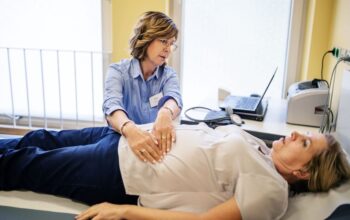
A lab test works differently. You stay overnight in a sleep facility where trained technicians attach sensors to monitor your breathing, heart rate, oxygen levels, and brain activity. This setup is known as a clinical polysomnography test. It offers a deeper view of your sleep patterns. A team is present to assist you and make adjustments during the night if needed. This approach suits you when symptoms seem more complex or when your doctor needs a broader overnight sleep evaluation.
Does the Comfort Level of Your Sleep Test Affect Your Results
Comfort plays a bigger role than most people expect. When you sleep at home, you’re surrounded by familiar items like your usual sheets, pillows, and bedtime habits. You place the device on yourself, settle in, and rest as you normally do. Many people find it easier to fall asleep when nothing in their environment changes.
A lab test provides a different type of comfort. Although the room is new to you, it’s set up to help you rest. A trained team checks on you and supports you through the night. If you feel anxious or unsure, knowing someone is nearby can give you a sense of safety. This is especially helpful when you’re exploring sleep apnea diagnostic options and want reassurance that everything is monitored closely.
How Much Accuracy Do You Truly Need From Your Sleep Test
A home test focuses on the essential signals connected to obstructive sleep apnea. It detects airflow, pauses in breathing, and oxygen changes. If your symptoms point mostly to sleep apnea, this data is often enough to help your doctor confirm what’s happening and guide your treatment.
A lab test gathers a wider range of information. This is where a diagnostic sleep assessment becomes valuable. Sensors record your brain waves, heart rhythms, eye movements, limb movements, breathing, and oxygen levels. These readings help specialists understand how your body moves through each stage of sleep. When your symptoms go beyond snoring or tiredness, the extra detail can offer clearer answers.
Which Sleep Test Fits Your Symptoms and Daily Life Best
If you have loud snoring, wake up gasping for air, or feel sleepy during the day, your doctor may suggest starting with a home test. It fits easily into your routine and helps you get answers without changing your schedule. You follow the instructions, sleep in your room, and return the device when you’re done.
If your symptoms involve unusual movements, suspected central sleep apnea, or things your doctor wants to study more deeply, a lab test is often the better choice. It records many signals at once, which helps your care team see a full picture of your sleep patterns.
Should You Rely on a Home Test or Seek a Lab for Deeper Insights
You also want to think about convenience. A home test feels simple and practical. You avoid travelling to a facility, and you follow your usual bedtime routine. This can help reduce stress and keep your evening peaceful.
A lab test may involve more steps because of the equipment and staff needed to run it. Still, some people feel more at ease knowing specialists are watching their sleep in real time. If something unexpected happens, the team can spot it right away. This level of observation can be comforting when your symptoms seem more advanced.
Choosing between the two is personal. You’re selecting the method that fits your lifestyle, your comfort, and your health goals. Your doctor will guide you, and it’s completely fine to ask questions or share what matters most to you during the process.
Conclusion
You deserve nights where you wake up with energy and ease. Whether you choose a home test or a lab-based study, taking this step supports your long-term well-being. A home test offers comfort and simplicity. A lab test provides detailed insights for more complex situations. By understanding how each option works, you can choose the path that feels right for you and brings you closer to restful nights.
Book your personalised home sleep study Singapore with SG Sleep Solutions today and take the first step toward deeper, healthier rest.