
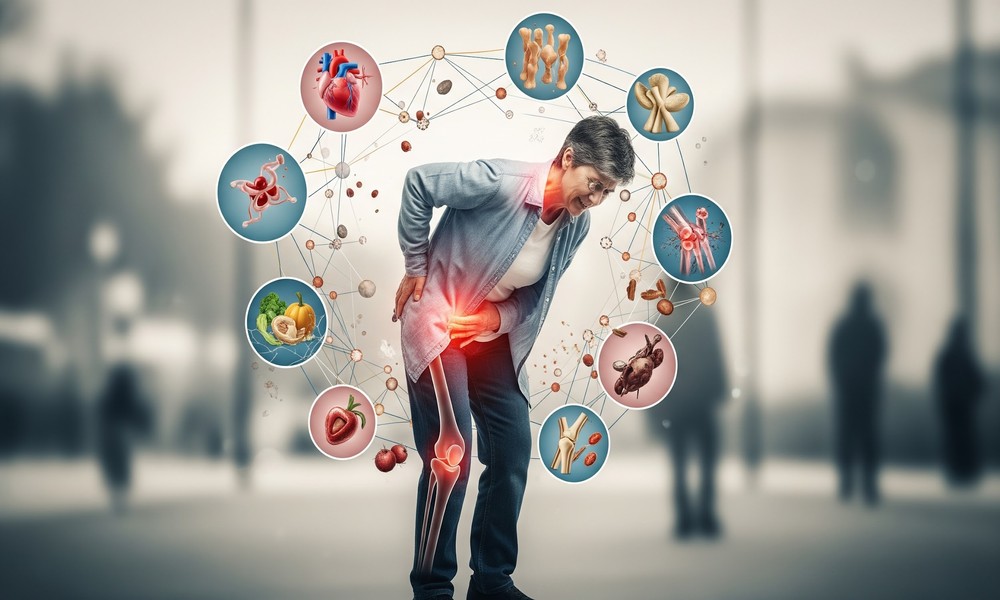
Introduction: Pain Beyond the Joints and Muscles
Chronic pain is often described in terms of where it hurts-the lower back, the knees, the hips, the neck. But for many people, pain is not just a mechanical issue rooted in joints or muscles. It is a whole-body experience influenced by inflammation, stress, metabolism, sleep quality, and hormonal balance. When pain persists, mobility declines, and everyday movement becomes exhausting, the root causes are often more complex than wear and tear alone.
Hormones quietly regulate many of the systems involved in pain perception and physical resilience. They influence inflammation levels, tissue repair, muscle strength, bone density, and even how the nervous system interprets discomfort. Understanding the hormonal dimension of chronic pain opens the door to more comprehensive care-care that goes beyond symptom suppression and focuses on restoring balance, function, and long-term mobility.
The Hormonal Influence on Inflammation
Inflammation is a central driver of chronic pain, and hormones play a key role in regulating inflammatory responses. Cortisol, estrogen, testosterone, thyroid hormones, and insulin all interact with immune pathways that determine how the body responds to injury or stress. When these hormones are out of balance, inflammation may become prolonged or exaggerated.
For example, low cortisol levels can impair the body’s ability to regulate inflammation effectively, while chronically elevated cortisol due to long-term stress may worsen tissue breakdown and pain sensitivity. Estrogen fluctuations can influence joint laxity and inflammatory markers, contributing to pain patterns that shift across life stages. Testosterone supports muscle repair and anti-inflammatory signaling, and deficiencies may be associated with increased musculoskeletal discomfort.
Recognizing these interactions helps explain why pain can persist even when imaging studies appear normal. It also highlights why addressing inflammation without considering hormonal health may lead to incomplete or temporary relief.
Hormone Optimization as Part of Pain Management
In some cases, addressing hormonal imbalances becomes an important component of managing chronic pain and mobility limitations. Clinics such as Lions OpTimal Health focus on hormone optimization and peptide therapy approaches that aim to support tissue repair, inflammation regulation, and overall resilience. These interventions are not pain treatments in isolation, but part of a broader strategy to improve how the body responds to stress and injury.
Peptide therapies, for example, are sometimes explored for their potential role in supporting cellular communication and recovery. Hormone optimization may help improve energy levels, muscle maintenance, and sleep quality-factors that indirectly influence pain perception and movement tolerance.
When hormonal health is addressed thoughtfully and under medical supervision, individuals may experience improved capacity for rehabilitation and daily activity. This approach emphasizes supporting the body’s internal environment rather than masking pain signals alone.
When Chronic Pain Disrupts Movement and Daily Life
Mobility is not just about strength or flexibility-it reflects coordination between muscles, nerves, joints, and energy systems. Chronic pain interferes with this coordination by altering movement patterns and creating fear around activity. Over time, people may avoid movement, leading to muscle weakness, joint stiffness, and reduced balance.
Hormonal imbalances can amplify this cycle. Fatigue linked to thyroid dysfunction or low sex hormones can make physical activity feel overwhelming. Insulin resistance may impair muscle recovery, while disrupted sleep hormones can slow tissue healing. These factors contribute to a gradual decline in mobility that feels disproportionate to any single injury.
Understanding chronic pain as a systems-level issue reframes treatment goals. Rather than focusing solely on pain elimination, care can prioritize restoring movement confidence, reducing systemic stress, and supporting the body’s capacity to adapt and heal.
The Structural Side of Pain: Spine and Joint Health
While hormones influence systemic processes, structural issues remain a critical component of chronic pain. Degenerative disc disease, spinal stenosis, herniated discs, and joint degeneration can create persistent pain that limits mobility. Addressing these conditions often requires targeted evaluation and intervention.
Specialists such as those at CalSpine MD focus on orthopedic and spine pain treatment, evaluating how structural abnormalities contribute to nerve compression, instability, or altered biomechanics. In many cases, conservative approaches such as physical therapy, targeted injections, or minimally invasive procedures can significantly reduce pain and restore function.
Importantly, structural care and hormonal health are not competing approaches. Hormonal balance can influence tissue healing and recovery after orthopedic treatment, while improved mobility can enhance metabolic and hormonal regulation. Integrating these perspectives supports more durable outcomes.
The Nervous System, Hormones, and Pain Sensitivity
Pain is not just a physical sensation-it is processed and modulated by the nervous system. Hormones influence how pain signals are transmitted and perceived. For instance, estrogen affects neurotransmitter activity involved in pain modulation, while cortisol influences stress-related pain amplification.
Chronic hormonal stress can sensitize the nervous system, lowering pain thresholds and making everyday sensations feel more intense. This phenomenon, sometimes described as central sensitization, helps explain why chronic pain can spread or persist even after tissue healing.
Addressing nervous system regulation through sleep support, stress management, and hormonal balance can reduce pain sensitivity over time. When the nervous system is calmer and better regulated, movement often feels safer and more achievable, supporting gradual improvements in mobility.
Acute Pain, Flare-Ups, and Early Intervention
Chronic pain is often punctuated by acute flare-ups-sudden increases in pain due to inflammation, overuse, or minor injury. These episodes can derail progress and discourage ongoing movement if not managed appropriately. Early intervention during flare-ups can prevent temporary setbacks from becoming long-term regressions.
Access to timely evaluation and pain relief is essential during these periods. Settings like Level One Urgent Care, which offer urgent care and walk-in services, play a role in addressing acute inflammation, musculoskeletal strains, or pain spikes that require prompt attention. Managing pain early can help individuals maintain mobility and continue broader treatment plans.
Acute care also provides an opportunity to reassess underlying contributors to pain, including hormonal or metabolic factors that may be exacerbating inflammation. This reinforces the importance of viewing flare-ups as signals rather than isolated events.
Movement as Medicine-When the Body Is Ready
Movement is a cornerstone of chronic pain management, but its effectiveness depends on timing and context. Encouraging activity without addressing underlying hormonal fatigue or inflammation can backfire, increasing pain and discouragement. Conversely, avoiding movement altogether accelerates decline.
Hormone-aware care helps determine when and how to reintroduce movement safely. Improved energy levels, reduced inflammation, and better sleep create a foundation for successful physical therapy or exercise programs. Movement then reinforces hormonal health by improving insulin sensitivity, circulation, and stress regulation.
This bidirectional relationship highlights why chronic pain recovery is rarely linear. Progress often occurs in stages, with systemic support enabling physical gains that further enhance overall health.
Aging, Hormones, and Mobility Over Time
As people age, hormonal shifts naturally occur, influencing muscle mass, bone density, and connective tissue health. These changes can increase vulnerability to pain and mobility limitations if not addressed proactively. Declining sex hormones and growth factors may slow recovery and increase stiffness.
However, aging does not inevitably lead to chronic pain. By supporting hormonal health, maintaining movement, and addressing structural issues early, many individuals preserve function and independence well into later life. Preventive strategies become increasingly important, focusing on maintaining balance rather than reacting to decline.
This perspective reframes aging as a process that can be influenced by informed care choices, emphasizing quality of movement and comfort rather than the absence of pain alone.
Conclusion: A Whole-Body Perspective on Pain and Mobility
Chronic pain and mobility challenges are rarely the result of a single factor. They emerge from the interaction of hormones, inflammation, structural integrity, nervous system regulation, and daily habits. Addressing one element without considering the others often leads to incomplete relief.
A whole-body approach recognizes that hormonal health influences how the body heals, moves, and adapts to stress. When combined with appropriate structural care, early intervention for flare-ups, and gradual movement support, individuals are better positioned to reduce pain and reclaim mobility. By understanding pain as a systems-level experience, healthcare providers and patients alike can pursue strategies that support lasting comfort, function, and quality of life.
