
When you start noticing your child struggling with attention, behaviour, or day-to-day tasks, it can leave you feeling unsure of what to do next. You may sense that something deeper is happening, yet you cannot quite pinpoint what it is. An occupational therapy sensory assessment gives you a structured way to understand how your child interprets sensory input such as sound, touch, movement, and light. In this guide, you’ll learn what happens during the assessment, what therapists observe, and how the results shape meaningful support for your child.
What If You Finally Understood How Your Child Processes the World?
A sensory assessment focuses on how your child reacts to different types of sensory information. This is part of a broader sensory processing evaluation that helps reveal whether your child feels overwhelmed by certain inputs or looks for more stimulation to stay engaged. You may already notice signs at home, such as sensitivity to noise or a strong interest in movement-based play.
During this stage, the therapist aims to help your child relax. Kids tend to show their true reactions when they feel comfortable. The therapist observes how your child explores the room, responds to toys, and interacts with simple tasks. You start to see that the goal is not only to test. It is to understand the signals your child has been expressing through everyday behaviour.
Could Your Child’s Daily Struggles Be Linked to Their Sensory History?
Before any activities begin, your therapist sits with you to learn about your child’s past and daily routines. This conversation is a key part of paediatric OT assessment methods because it gives context that cannot always be seen during the session. You may talk about early milestones, school feedback, sleep patterns, emotional reactions, or habits at home.
As you share these details, you may begin noticing patterns. Your therapist listens closely and helps you connect the dots. This discussion helps identify what might be influencing your child’s reactions in daily life. You’re not expected to explain everything perfectly. You are simply sharing what you see and feel, while the therapist interprets these clues through a professional lens.
What Will Your Child Reveal Through Play During the Assessment?
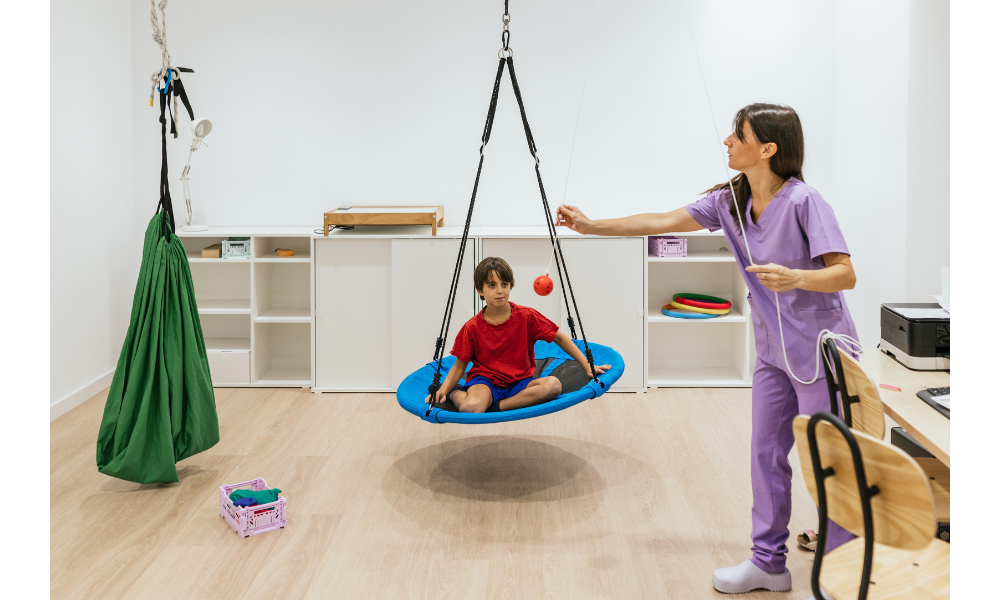
The next stage is usually the most enjoyable for your child. Through play, your therapist observes how your child interacts with different textures, movements, and activities. This is where meaningful behavioural observation in OT sessions takes place.
Your child may climb, draw, balance, stack, or explore tactile materials. The therapist watches how they respond. Do they avoid certain textures. Do they show excitement during movement tasks. Do they shift quickly from one activity to another. Each reaction helps reveal how your child handles sensory input.
This play-based section also acts as a gentle form of child development sensory screening. It helps uncover strengths, sensory preferences, and areas that may need support. You’ll see how much can be learned from simple activities that feel natural and fun for your child.
How Do Standardised Tests Show What Your Child Truly Needs?
Along with play, your therapist may use structured testing tools. These tools measure coordination, attention, balance, or visual processing. They also provide a baseline that helps guide long-term planning.
Your child may complete tasks like copying shapes, stacking blocks, following patterns, or balancing on different surfaces. These activities show how well your child organises movement, processes visual information, and stays focused. Breaks are given whenever needed so your child stays calm and cooperative.
Based on these results, your therapist may share sensory integration therapy insights that explain how specific exercises or routines can support emotional and physical regulation. This helps you understand why certain activities may work well for your child and how therapy can support long-term growth.
What Changes Once You See Your Child’s Sensory Profile Clearly?
After the assessment is complete, your therapist brings everything together into a sensory profile. This summary explains your child’s strengths and areas that may need greater support. It often answers questions you’ve carried for a long time.
You may begin to understand why your child reacts strongly to noise, avoids certain clothes, or feels tired after school. Your therapist explains which senses are more sensitive, which ones need more input, and how these patterns affect daily life.
You’ll also receive a personalised plan that supports regulation, motor skills, emotional comfort, and daily participation. This plan may include home strategies, school recommendations, and therapy goals designed to meet your child where they are. You walk away with a clear path forward and a renewed sense of hope.
Why This Assessment Matters for Your Child’s Growth
A sensory assessment gives you insight that helps you adjust routines and environments in ways that support your child’s well-being. When sensory needs are understood, children often show better focus, calmer emotions, and more confidence in everyday tasks.
You do not need to make big changes right away. Small steps make a meaningful difference. With steady guidance, your child can feel more settled in their own body, which can improve learning, social interactions, and overall happiness.
Conclusion
An occupational therapy sensory assessment gives you a clear and compassionate understanding of how your child experiences the world. Through history-taking, play-based observation, structured tests, and professional interpretation, you gain insight that helps you support your child with confidence. Over time, the right guidance helps your child feel more capable, calmer, and well understood.
Book an occupational therapy sensory assessment with KIDZ Occupational Therapy Consultants Pte. Ltd. to support your child’s developmental needs today.