
Key Takeaways
- ACL injuries can occur during everyday activities, not only sports.
- Sudden twisting, slips and poor lifting techniques increase stress on the knee.
- Muscle fatigue and unsuitable footwear may contribute to ligament injuries.
- An assessment by an orthopaedic can help identify the severity of a knee injury.
- Some complete ACL tears may require ACL surgery, depending on the individual’s condition and activity level.
Introduction
The anterior cruciate ligament (ACL) helps stabilise the knee during movement. While ACL injuries are commonly associated with sports, routine daily activities can also place excessive force on this ligament. A sudden twist, an awkward landing or a slip on a wet surface may be enough to cause damage. Understanding how these situations occur allows individuals to reduce unnecessary risks and recognise when medical assessment by an orthopaedic in Mount Elizabeth Novena may be needed.
Sudden Twisting During Daily Movements
Changing direction quickly while the foot remains planted is one of the most common mechanisms of an ACL injury. This movement does not only happen during sports. It can occur while rushing to answer the door, turning sharply in a crowded space or carrying objects around the home. If the knee rotates beyond its normal range, the ligament may become overstretched or torn. Slowing down during directional changes and maintaining stable footing can reduce unnecessary strain.
Slipping and Recovering Balance
Many ACL injuries occur when people attempt to regain balance after slipping rather than from the fall itself. Wet floors, uneven pavements and loose rugs can force the knee into an unnatural position during a sudden recovery movement. Even if the person remains standing, the twisting force may damage the ligament. Keeping walkways free of hazards, cleaning spills promptly and wearing footwear with sufficient grip can help reduce this risk.
Lifting Heavy Objects Incorrectly
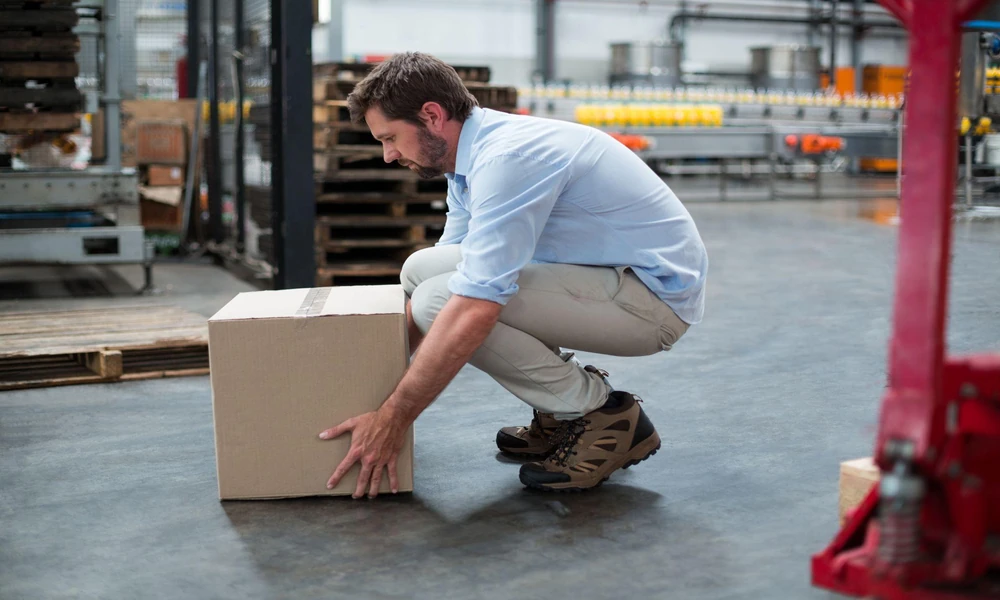
Moving furniture, carrying heavy shopping bags or lifting storage boxes can place significant stress on the knees if proper technique is not used. Twisting the body while lifting increases rotational force through the knee joint. Instead, individuals should bend through the hips and knees, keep the load close to the body and turn by moving their feet rather than twisting at the knees.
Muscle Fatigue During Routine Activities
Fatigued muscles provide less support to the knee joint. Long periods of walking, climbing stairs, gardening or physically demanding work may reduce muscle control, making awkward movements more likely. As stability decreases, even a simple misstep can place excessive stress on the ACL. Taking regular breaks, maintaining leg strength and avoiding overexertion may help lower the likelihood of injury.
Wearing Inappropriate Footwear
Footwear affects stability and balance throughout the day. Shoes with worn soles, poor traction or inadequate support increase the risk of slipping or unstable movements. High heels may also alter posture and place additional pressure on the knees. Wearing shoes that provide proper grip and support for the activity being performed contributes to better knee stability.
When to Seek Medical Assessment
Persistent knee pain, swelling, a popping sensation at the time of injury, or repeated episodes of the knee giving way should not be ignored. These symptoms may indicate damage to the ACL or other structures within the knee. An assessment by an orthopaedic can help determine the extent of the injury through a physical examination and imaging when required. Depending on the severity of the tear, treatment may involve rehabilitation, activity modification or ACL surgery in Singapore to restore knee stability.
Conclusion
ACL injuries are not limited to athletes or high-impact sports. Everyday movements such as twisting, slipping, lifting heavy objects and walking in unsuitable footwear can place unexpected stress on the knee. Being aware of these common situations and using proper movement techniques may help reduce the risk of injury. If symptoms persist after a knee injury, early medical evaluation allows appropriate treatment planning and supports recovery.
Visit Specialist Orthopaedic Centre to determine the most appropriate option for your knee.
