
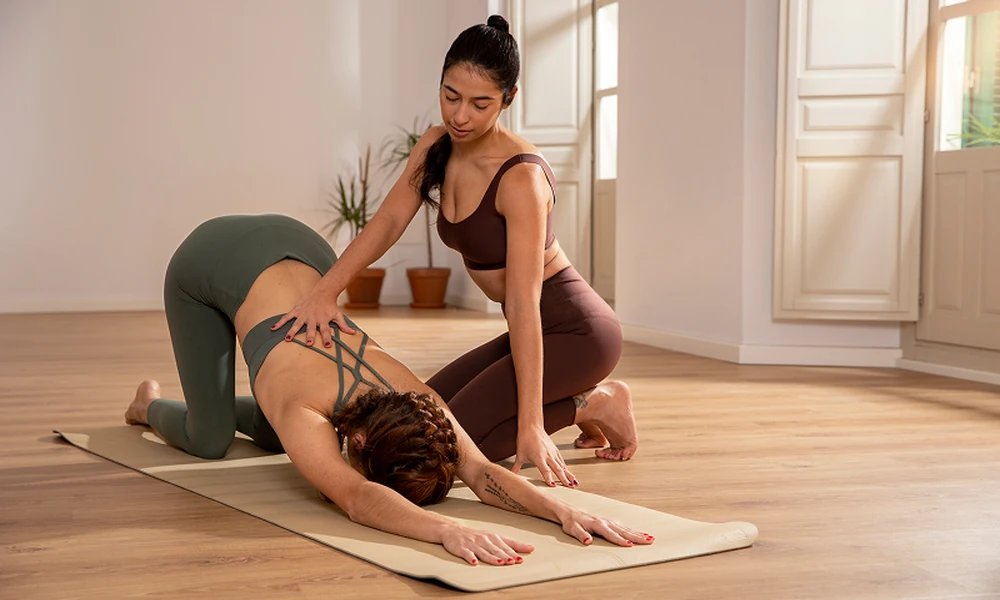
Key Highlights
- Prenatal yoga focuses on physical postures designed to support the changing needs of the body during pregnancy.
- Specific breathing techniques taught in these sessions may help manage stress and support relaxation during labour.
- Participation in structured classes offers an opportunity to connect with other expectant families in a supportive community.
- Partner involvement in sessions can foster better communication and shared preparation for the arrival of the baby.
- Regular, supervised movement helps maintain flexibility and may assist in addressing common pregnancy discomforts like back pain.
Introduction
Pregnancy is a period of significant change, bringing with it both physical shifts and a need for emotional preparation. As expectant mothers navigate these months, finding sustainable ways to maintain physical health and mental clarity becomes a priority. While many turn to general exercise, specialised prenatal yoga classes provide a tailored approach that addresses the specific requirements of pregnancy. These sessions focus on gentle, supportive movement and mindfulness, offering a structured environment for women to prepare for the challenges and joys of childbirth.
The Physical Advantages of Prenatal Movement
Throughout pregnancy, the body undergoes substantial modifications to accommodate the growing foetus. Increased weight, changes in the centre of gravity, and the loosening of ligaments can lead to discomforts such as back pain and pelvic strain. When searching for appropriate yoga classes in Singapore, it is important to find programmes that prioritise safety and physiological suitability. Prenatal yoga is designed to accommodate these changes. By incorporating movements that strengthen the core and lower back, practitioners can develop the stability needed to support their changing bodies.
These classes often emphasise pelvic floor health and hip mobility, areas that are crucial during labour. Unlike high-impact exercises, these sessions utilise controlled, steady movements that align with the body’s natural pace during gestation. By encouraging proper posture and alignment, the practice helps to mitigate some of the common aches associated with carrying a baby, allowing for greater comfort in daily activities.
Cultivating Calm and Mental Wellbeing
The mental aspect of pregnancy is as important as the physical. The anticipation of birth can often bring heightened stress and anxiety. Prenatal yoga classes offer a space where movement meets mindfulness. The integration of controlled breathing exercises, known as pranayama, serves as a tool for managing the nervous system. By focusing on deep, rhythmic breaths, mothers can learn to centre themselves, creating a sense of calm that is valuable both during pregnancy and throughout the birthing process.
This practice encourages a mindful connection between the mother and the baby. By setting aside time for quiet reflection and movement, individuals can cultivate a positive mindset, helping them navigate the emotional highs and lows of the trimesters with greater equanimity. This mental preparation is a foundational component of a healthy birth journey.
Building a Community of Support
Isolation is a challenge for many expectant mothers. Joining a group setting provides the benefit of connection, allowing participants to share experiences and build confidence alongside others who are in a similar phase of life. Within the landscape of wellness services, many yoga classes in Singapore offer this camaraderie, which can be reassuring. Being surrounded by others who understand the unique physical and emotional aspects of pregnancy fosters a sense of belonging. This supportive social environment can reduce feelings of loneliness and provide a safe space to ask questions and discuss experiences without judgement.
The Role of Partners in Preparation
While the focus often rests on the mother, the arrival of a child is a shared event. Including birth partners in the practice of prenatal yoga allows for a more comprehensive preparation strategy. Partners can learn techniques to provide physical support, such as guiding movement, assisting with massage, and encouraging deep breathing. This collaborative approach helps demystify the birthing process and provides partners with practical ways to offer comfort, ultimately strengthening the bond between the couple as they prepare for their new beginning.
Conclusion
Preparing for the arrival of a new family member involves both physical conditioning and mental readiness. Specialised prenatal yoga classes offer a comprehensive way to address these needs through gentle movement, breathwork, and community support. By prioritising safe, instructor-led practices, expectant mothers can navigate their pregnancy with increased confidence and strength.
For those interested in learning more about how to support your journey, contact The Yoga House today. We provide a space for connection and preparation, helping you feel ready for your new beginning.
