
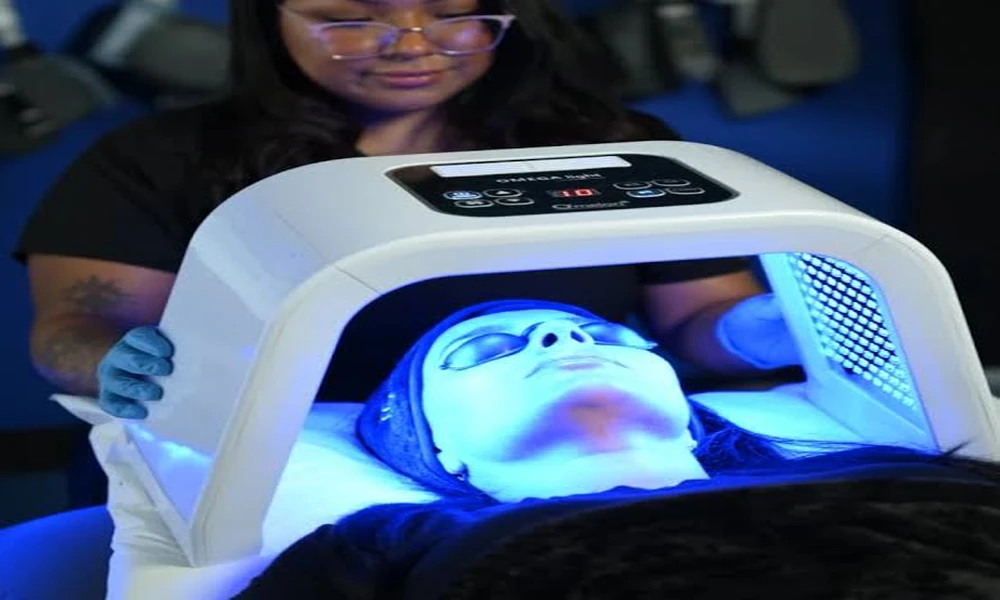
After weeks of following a skincare routine, someone may notice fewer breakouts but still see uneven texture, visible pores, or lingering redness. These changes can be frustrating, especially when the skin looks clearer but does not feel as smooth as expected. Improving skin health often requires looking beyond individual spots to understand oil production, inflammation, skin cell turnover, and the protective barrier that keeps moisture in.
Key Takeaways
- Blue light therapy may help reduce acne-causing bacteria, which can support clearer-looking skin.
- Its benefits for uneven texture, enlarged pores, and overall skin quality are less certain.
- Skin texture depends on several factors, including hydration, sun exposure, inflammation, and collagen changes.
- At-home light devices vary in strength and design, so results may differ.
- Gentle skincare, daily sun protection, and consistent habits remain important for healthier skin.
What Makes Skin Texture Look Uneven?
Skin texture can change for many reasons. Excess oil and dead skin cells may block pores, leading to blackheads and pimples. Inflammation from acne can leave temporary marks or, in more severe cases, scars. Sun exposure can also damage collagen and elastin, the proteins that help skin stay firm and smooth.
Dryness is another common cause of roughness. When the skin barrier loses moisture, small flakes and fine lines may become more noticeable. Harsh cleansers, frequent exfoliation, and strong skincare products can make this problem worse.
Because these concerns have different causes, one treatment rarely improves every aspect of skin health. A method that helps reduce breakouts may not have the same effect on acne scars, wrinkles, or dehydration.
How Light Exposure May Support Clearer Skin
Blue wavelengths of light interact with certain compounds produced by Cutibacterium acnes, a bacterium linked to acne. This interaction can create reactive molecules that damage the bacteria. Reducing bacterial activity may help calm some inflammatory acne lesions.
For people who experience recurring breakouts, blue light therapy may be an option to discuss alongside established skincare treatments. It does not work like a scrub or exfoliating acid, because it does not directly remove dead skin cells from the surface. Instead, its main area of interest is acne-related bacteria and inflammation.
Research suggests that visible blue light may help some people with mild to moderate acne. However, study results vary based on the device, light dose, treatment schedule, and severity of acne. It should not be assumed to clear every type of blemish or provide the same results for everyone.
Can It Make Skin Smoother?
The connection between fewer breakouts and smoother skin is worth understanding. Active acne can create raised, inflamed spots that make the skin feel uneven. If a treatment reduces these lesions, the surface may appear calmer over time.
However, fewer pimples do not automatically mean a major improvement in skin texture. Enlarged pores, deep acne scars, sun damage, and fine lines involve other processes. Blue light has not been shown to reliably reverse these concerns on its own.
Acne scars, in particular, may involve changes in collagen beneath the skin. Treatments that target scar texture often work through different methods, and the right choice depends on scar type, skin tone, and sensitivity. A dermatologist can help determine whether topical care, prescription treatment, or an in-office procedure is appropriate.
Where Light Treatment Fits Into a Skincare Routine
Blue light therapy is best viewed as a possible supporting option for acne-prone skin, rather than a complete skin-rejuvenation solution. Device strength and treatment instructions matter, so users should follow the manufacturer’s guidance and avoid increasing exposure in an attempt to speed up results.
Eye protection is important when required by the device instructions. People with light sensitivity or those taking medication that increases sensitivity to light should seek medical advice before use. Skin irritation or dryness can occur, and persistent discomfort is a reason to stop treatment.
A basic routine still provides the foundation for skin health. Use a gentle cleanser, a moisturizer suited to your skin type, and broad-spectrum sunscreen with SPF 30 or higher during the day. Ingredients such as salicylic acid may help unclog pores, while retinoids can support acne management and skin cell turnover when suitable. Introduce active ingredients gradually to limit irritation.
What Results Should You Expect?
Skin changes usually take time, and progress is easier to judge when several variables remain steady. Track breakouts, dryness, redness, and texture over several weeks rather than judging results after a few sessions. Follow the device instructions and avoid combining too many new treatments at once.
If acne is painful, leaves scars, or does not improve with consistent care, seek advice from a qualified dermatologist. A professional can identify the likely cause of the problem and recommend a plan based on your skin’s needs.
The bottom line: Blue light may help with some acne-related concerns, which can indirectly improve the appearance of skin texture. Evidence is more limited for broader benefits, including wrinkle reduction, scar repair, and overall skin rejuvenation. Clearer skin depends on matching treatment to the cause, protecting the skin barrier, and allowing enough time to assess results.
