
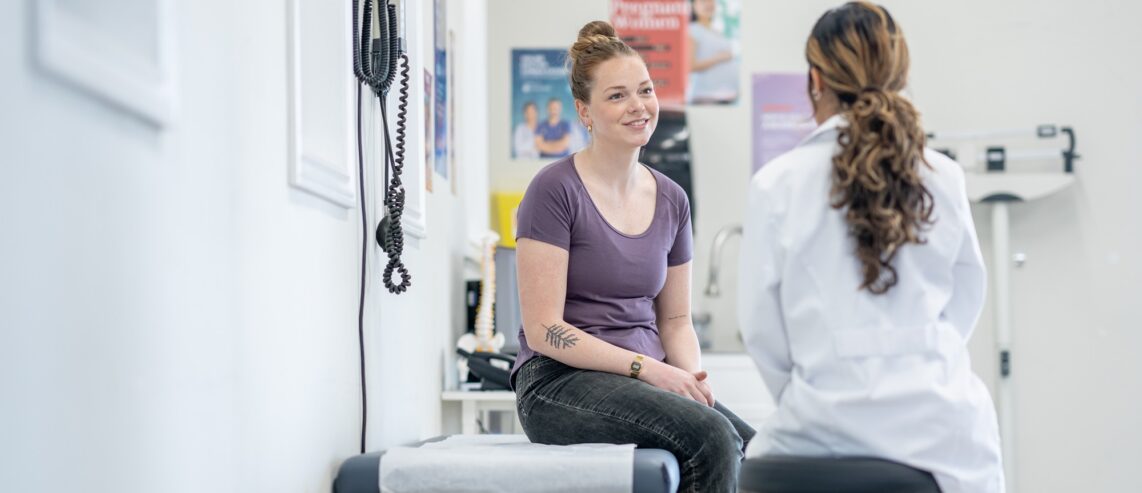
Well woman’s exam helps detect health issues early. Learn what to expect, how to prepare, and why yearly screenings protect your long-term health.
A well woman’s exam is a routine preventive visit focused on reproductive, breast, and overall health. It helps detect health concerns early, updates screenings, and allows open discussions with a provider about lifestyle, fertility, menstrual health, and long-term wellness. Regular visits improve prevention and peace of mind.
When was the last time you scheduled a routine health check just for you? Many women delay preventive visits because they feel fine. But health problems often begin silently. That’s why routine screenings matter more than most people realize.
A well woman’s exam is designed to keep you healthy, not just treat illness. It reviews your overall wellness, reproductive health, and lifestyle habits. Regular visits help identify risks early and build a trusted relationship with your provider.
Many women schedule a well woman’s exam yearly to stay proactive about preventive care.
An annual gyn exam also allows providers to update screenings and answer personal health questions.
What Is A Well Woman’s Exam? 🩺
A well woman’s exam is a preventive healthcare visit focused on women’s physical and reproductive health. Unlike illness-related appointments, this exam evaluates your overall wellness even when you feel healthy. Providers review medical history, lifestyle habits, and any health concerns.
During the visit, your provider may perform physical exams, breast checks, pelvic exams, and recommended screenings. The exact tests depend on your age, risk factors, and medical history. The goal is prevention, early detection, and personalized health guidance.
Regular preventive exams also create a comfortable space for open discussions. You can talk about menstrual cycles, contraception, pregnancy plans, menopause symptoms, or emotional wellness. These conversations often lead to better long-term care decisions.
Why Regular Exams Are Important ❤️
Preventive visits play a major role in early detection of health problems. Many conditions, including cervical changes and breast abnormalities, show no early symptoms. Routine screenings help identify concerns before they become serious.
These exams also support long-term health planning. Providers track changes over time, compare test results, and recommend lifestyle improvements. Small health adjustments today can prevent future complications.
Another benefit is peace of mind. Knowing your health status reduces anxiety and helps you feel confident about your well-being. Preventive care is an investment that pays off for years.
Who Should Schedule A Well Woman’s Exam? 👩⚕️
Most women should begin routine preventive visits in their late teens or early twenties. However, the exact starting age depends on medical history and doctor recommendations. Even teenagers may benefit from early counseling visits.
Women of all ages need preventive screenings. Younger adults focus on reproductive health and contraception counseling. Middle-aged women often receive cancer screenings and hormone health assessments.
Older women benefit from bone health monitoring, menopause management, and chronic condition screenings. Preventive care evolves throughout each stage of life.
How Often Should You Have One? 📅
Most healthcare providers recommend scheduling the exam once every year. Annual visits help maintain updated screenings and track health changes consistently. However, some tests may not be required every year.
Your provider may adjust screening frequency based on personal risk factors. Family history, lifestyle habits, or prior health findings can influence recommendations. Individualized care ensures you receive appropriate testing.
Skipping visits for several years may delay detection of early health issues. Staying consistent with preventive appointments helps maintain continuous health monitoring.
What Happens During The Appointment? 🧾
A typical visit begins with a health discussion. Providers ask about medications, menstrual cycles, pregnancy history, and lifestyle habits. This conversation helps tailor the exam to your specific needs.
Next comes a physical examination. This may include blood pressure checks, weight monitoring, breast exams, and abdominal evaluation. Providers also discuss recommended screenings based on your age.
Many visits end with preventive counseling. Topics may include nutrition, exercise, mental health, sexual health, and long-term wellness planning. These conversations often provide valuable personalized guidance.
Common Screenings Included 🧪
Different screenings are recommended depending on age and risk level. Some tests are routine, while others are performed only when necessary. Screening decisions are personalized.
|
Screening Type |
Purpose |
Typical Frequency |
|---|---|---|
|
Blood Pressure Check |
Detect hypertension early |
Every visit |
|
Pap Test |
Detect cervical changes |
As recommended |
|
Breast Exam |
Identify breast abnormalities |
Annual |
|
Blood Tests |
Evaluate cholesterol, sugar levels |
Periodic |
These screenings help create a complete picture of your health. Early detection often leads to easier treatment and better outcomes.
Preparing For Your Appointment ✍️
Preparing ahead of time helps make your visit smooth and productive. Write down any symptoms, questions, or health concerns you want to discuss. This ensures nothing important is forgotten.
Bring a list of medications and supplements you take regularly. Providers need accurate information to give safe recommendations. Also, update them about recent surgeries or medical changes.
If a pelvic exam is scheduled, avoid certain products before the visit if advised. Following preparation instructions helps ensure accurate test results.
Questions You Should Ask Your Provider ❓
Preventive visits are an opportunity to learn about your health. Asking the right questions helps you make informed decisions. Many women forget to ask questions during appointments.
Consider asking:
- What screenings do I need this year?
- Are my symptoms normal?
- How can I improve my lifestyle habits?
- Do I need vaccinations or boosters?
- What health risks should I monitor?
These discussions strengthen your understanding of long-term health planning.
Well Woman’s Exam By Age Group 📊
Healthcare needs change throughout life. Screening recommendations are different for teenagers, adults, and older women. Personalized care ensures the right tests at the right time.
|
Age Range |
Focus Areas |
Common Tests |
|---|---|---|
|
20-30 |
Reproductive health, contraception |
Pap test, STI screening |
|
30-45 |
Fertility planning, breast health |
Pelvic exam, breast screening |
|
45+ |
Hormone changes, chronic disease risk |
Mammogram, bone health tests |
Understanding age-specific care helps women stay proactive about preventive health.
Lifestyle Discussions That Matter 🌿
Preventive exams are not only about physical tests. Lifestyle habits significantly affect long-term health. Providers often discuss diet, sleep patterns, exercise, and stress management.
Small changes can lead to major improvements. Increasing daily activity, improving nutrition, and reducing stress can lower disease risk. These adjustments often enhance both physical and emotional wellness.
Mental health is also part of the conversation. Providers may discuss anxiety, depression, or emotional challenges. Early support improves overall quality of life.
Emotional Comfort During The Visit 💬
Some women feel nervous before their appointment. This is completely normal. Understanding what to expect often reduces anxiety.
Healthcare providers aim to create a respectful and comfortable environment. You are encouraged to ask questions and express concerns openly. Communication helps ensure a positive experience.
Remember, preventive visits are designed to support your health, not judge your lifestyle. The goal is education, guidance, and care.
Preventive Vaccinations And Updates 💉
Vaccination updates may be part of your preventive visit. Immunizations protect against certain infections that affect long-term health. Providers review your vaccination history and recommend boosters if needed.
Some vaccines are recommended during specific age groups. Others depend on travel, lifestyle, or health conditions. Staying updated helps maintain strong protection against preventable illnesses.
Preventive care works best when screenings and vaccinations are combined. Together, they create a complete wellness strategy.
Costs And Insurance Coverage 💰
Many health insurance plans cover preventive visits fully or partially. Coverage often includes screenings, counseling, and routine examinations. However, benefits vary by provider and policy.
Checking your insurance details before scheduling helps avoid surprises. Some clinics also offer affordable preventive care programs for uninsured patients. Access to preventive care should never be limited by confusion about costs.
Investing in prevention often saves money long-term. Early detection reduces the need for complex treatments later.
Benefits Of Staying Consistent With Exams ⭐
Consistency builds a long-term health record. Providers track changes, compare results, and identify patterns that may signal early concerns. This continuous monitoring improves preventive care.
Regular visits also strengthen the patient-provider relationship. Trust makes it easier to discuss personal concerns openly. Better communication leads to more accurate care recommendations.
Women who maintain preventive routines often feel more confident about their health. Knowing you are proactive reduces uncertainty and stress.
Myths About Preventive Exams 🚫
Several myths prevent women from scheduling preventive visits. One common belief is that exams are only needed when symptoms appear. Preventive care actually works best before symptoms begin.
Another myth is that exams are uncomfortable or painful. Most procedures are quick, gentle, and performed with patient comfort in mind. Providers explain each step clearly.
Some women believe exams are unnecessary after menopause. In reality, preventive screenings remain important throughout life. Health needs simply change over time.
Signs You Should Schedule One Soon 📌
Even if you feel healthy, certain signs indicate it may be time for a visit:
- Irregular menstrual cycles
- Breast discomfort or changes
- Persistent fatigue
- Hormonal symptoms
- Family history of major conditions
Scheduling early helps address concerns before they worsen. Prevention always works best when done consistently.
Long-Term Health Advantages 📈
Preventive visits improve long-term health outcomes. Early screening identifies risks before they become serious problems. Treatment is often easier and more effective when started early.
These exams also encourage healthier habits. Regular discussions about lifestyle choices motivate many women to adopt healthier routines. Over time, small changes create meaningful improvements.
|
Long-Term Benefit |
Impact |
|---|---|
|
Early Detection |
Faster treatment outcomes |
|
Lifestyle Counseling |
Reduced disease risk |
|
Regular Monitoring |
Better health tracking |
|
Emotional Support |
Greater confidence in health |
Preventive care builds a foundation for lifelong wellness.
Conclusion
A well woman’s exam is one of the most valuable preventive health steps women can take. It supports early detection, personalized care, and long-term wellness planning. Regular visits help you stay informed, confident, and proactive about your health. Scheduling routine exams today protects your future health tomorrow.
FAQs
How long does a routine well woman visit take?
Most appointments last 30 to 60 minutes. Time depends on screenings and discussions needed. Providers allow extra time for questions and counseling.
Is a yearly preventive gynecology exam necessary?
Yes, annual visits help track health changes consistently. Providers adjust screening schedules based on your risk factors. Regular monitoring improves early detection.
Can I schedule a well woman exam without symptoms?
Yes, preventive exams are meant for healthy individuals. The goal is early detection and wellness planning. Symptoms are not required to schedule a visit.
What should I wear to a preventive exam appointment?
Wear comfortable clothing that is easy to remove if exams are needed. Clinics provide gowns for examinations. Comfort helps reduce anxiety during the visit.
Do preventive exams include blood tests every year?
Not always, testing depends on age and medical history. Providers recommend blood tests when screening is needed. Individualized care determines frequency.
