
Key Highlights
- Household emergencies can occur unexpectedly and require immediate action.
- Understanding common medical emergencies increases survival rates.
- Regular training ensures readiness during critical moments.
- Proper knowledge of emergency response protocols saves lives.
Introduction
The home is often perceived as our sanctuary, a place of comfort and security. Yet, it is also a location where unforeseen medical emergencies can strike without warning. When a crisis unfolds, the difference between a tragic outcome and a successful rescue often lies in the knowledge possessed by those present. Being prepared is not merely about having a first-aid kit under the sink; it is about cultivating the skills and confidence to act decisively. In this article, we explore the essential life-saving capabilities that every household member should possess to safeguard their loved ones.
Understanding Medical Emergencies
Many individuals go through life assuming that medical emergencies are events that happen elsewhere. However, cardiac events and sudden injuries do not discriminate by location. It is important to ask: what is cardiac arrest? This is a condition where the heart stops beating suddenly, cutting off blood flow to vital organs. Recognising the signs of such an event is the first step towards intervention. Unlike a heart attack, which is a circulation problem, this condition is an electrical one. Seconds matter when the heart stops, and bystanders are often the first line of defence.
The Value of Formal Training
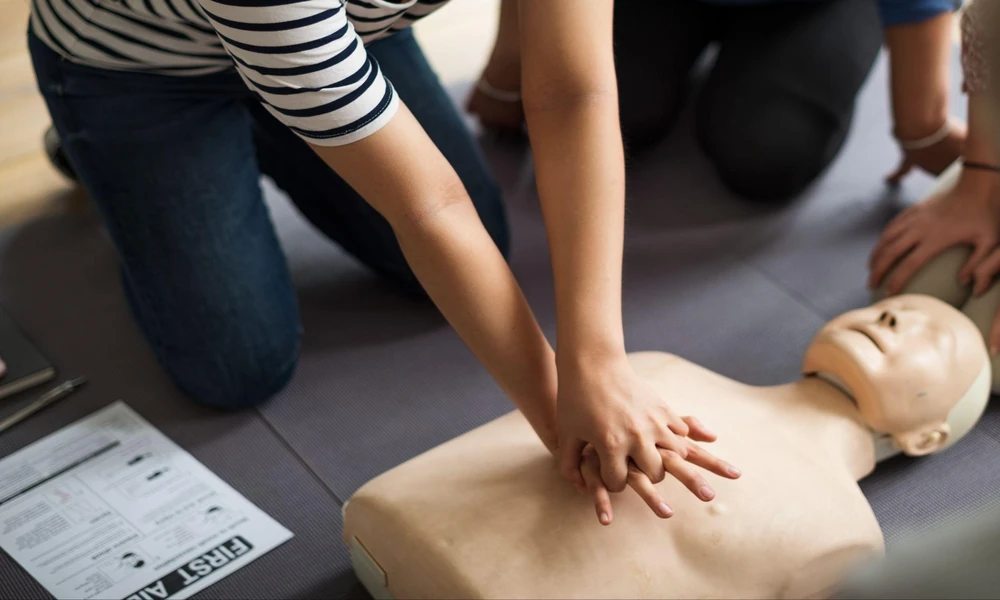
While reading about first aid is beneficial, practical experience is irreplaceable. Pursuing a first aid certification provides a structured environment to learn and practise these critical skills. Through such training, individuals gain the ability to perform cardiopulmonary resuscitation correctly and use an automated external defibrillator if one is available. These courses demystify the process of helping someone in distress, turning panic into a methodical response. Getting your first aid certification ensures that you are not just a passive observer during a crisis, but a capable responder.
Cultivating a Culture of Preparedness
Beyond formal training, preparedness involves maintaining a safe environment and having clear communication plans. Knowing where your medical supplies are kept and ensuring that every family member understands the emergency number is fundamental. It is also beneficial to conduct simple drills at home. When everyone knows their role during an emergency, chaos is significantly reduced. This collective awareness fosters a safer home environment where risks are identified and mitigated before they escalate into crises.
The Importance of Immediate Action
In the heat of a household crisis, hesitation is often the greatest adversary. When a loved one collapses or an accident occurs, the window of time to act effectively is remarkably narrow. Understanding the biology of a crisis, such as the cessation of blood flow in a sudden cardiac arrest event, underscores why bystanders cannot afford to wait for professional help. Immediate intervention, even before paramedics arrive, can significantly improve the chances of survival and recovery. By familiarising oneself with basic life-saving protocols and maintaining a composed mindset, individuals can bridge the crucial gap between the onset of an emergency and the arrival of professional medical services. This proactive approach transforms a helpless bystander into an essential link in the chain of survival, proving that early action is the most powerful tool in any emergency.
Empowerment Through Knowledge
Knowledge empowers individuals to remain calm when the pressure is high. Many people hesitate to intervene because they fear doing something wrong. However, the most dangerous action in a medical emergency is doing nothing at all. By familiarising yourself with emergency procedures, you overcome the paralysis of fear. Whether it is controlling severe bleeding or helping someone who is choking, the skills you learn are universal and can be applied in numerous situations.
Conclusion
The safety and well-being of our families depend on our willingness to learn and adapt. By gaining essential skills and staying informed, we transform our homes into truly secure environments. We encourage you to take the initiative and equip yourself with the tools necessary to respond effectively to any household crisis.
To learn more about our comprehensive training programmes, contact the Singapore Heart Foundation. Our team is dedicated to empowering individuals with the skills needed to save lives.
