
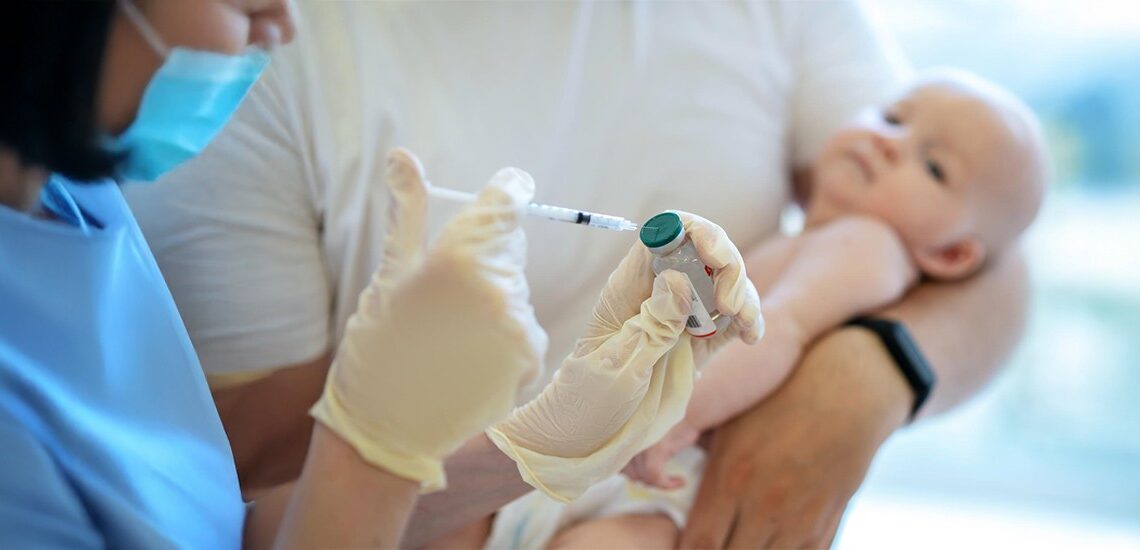
Keeping up with baby vaccinations can feel difficult when life gets busy. A child may fall sick, the family may travel, or an appointment may be missed by accident. When this happens, parents should not panic. A proper Baby vaccination quide can help families understand what to do next and how to safely get back on track.
Vaccines are usually given at recommended ages because babies need protection early in life. Some diseases can spread quickly among young children, especially in childcare centres, clinics, homes, and travel settings. If a vaccination is delayed, the goal is to catch up as soon as it is safe to do so.
Why Baby Vaccinations May Be Delayed
Many parents miss a vaccination appointment for reasons that are completely understandable. Babies do not always follow a neat schedule, and family plans can change suddenly.
Common reasons include:
- Fever, cough, flu, or stomach illness
- Recent hospital visits or medical concerns
- Overseas travel
- Missed clinic reminders
- Confusion about the vaccination schedule
- Moving between clinics or countries
- Parents being unsure if the baby is well enough for the jab
A missed vaccine does not usually mean the whole schedule must start again. In most cases, the doctor will review what has already been given and plan the next suitable dose.
What Is A Catch-Up Vaccination Visit?
A catch-up vaccination visit is an appointment where the doctor checks your baby’s vaccination history and helps fill any gaps. This is different from simply giving the next injection without checking the record.
During the visit, the doctor may look at:
- Your baby’s health booklet or vaccination record
- Previous vaccines and dates given
- Your baby’s current age
- Recent illness or fever
- Upcoming travel plans
- Any allergy or past vaccine reaction
- General growth and development
This helps the doctor decide which vaccine is due, which vaccine can wait, and whether more than one vaccine can be given during the same visit.
Can A Baby Be Vaccinated After Being Sick?
Many parents worry about vaccinating a baby too soon after illness. This is a good question to ask because every child’s condition is different.
In general, a mild runny nose or slight cough may not always require a vaccine delay. However, if the baby has a fever, is very unwell, or is in the first few days of an acute illness, the doctor may advise waiting until the child is better.
Once the baby is recovering and no longer has a fever, overdue vaccines should usually be arranged soon. Delaying for too long may leave the child less protected.
Parents should avoid guessing. It is better to let a doctor check the baby and confirm whether vaccination can go ahead.
Catch-Up Visits Before Or After Travel
Travel can also affect a baby’s vaccination schedule. Some families travel before the next vaccine date, while others return home and realise an appointment was missed.
Before travel, parents should check the baby’s vaccination record early. This is especially important if the trip includes countries where certain infections are more common.
A doctor may advise:
- Giving a due vaccine before the trip if timing allows
- Planning the next dose after returning
- Checking if the destination has added health risks
- Reviewing flu vaccination if the baby is old enough
- Making sure the baby’s health booklet is updated
After travel, parents should inform the doctor if the baby had fever, rash, diarrhoea, or close contact with anyone who was unwell. This helps the clinic decide if vaccination should proceed or be delayed.
What To Bring To A Catch-Up Visit
A catch-up appointment is much smoother when parents bring the right information.
Useful items include:
- Baby health booklet
- Past vaccination records
- Hospital discharge notes, if relevant
- List of recent illnesses or medicines
- Travel dates and destination, if applicable
- Questions about feeding, growth, or development
If the child has received vaccines at another clinic or overseas, bring any written proof. This helps avoid missed doses or unnecessary repeat doses.
Development Checks During Vaccination Visits
Vaccination visits are also a useful time to check a child’s growth and development. Babies change quickly in the first few years, so regular check-ins can help parents raise concerns early.
Doctors may review areas such as:
- Weight, height, and head growth
- Feeding and sleep
- Movement and motor skills
- Speech and response to sounds
- Social interaction
- General physical health
At Love & Joy Family Clinic, childhood vaccination visits may be supported with developmental screening, record checks, and appointment reminders, which can help parents keep track of their child’s next steps without feeling overwhelmed.
How Parents Can Reduce Missed Vaccines
It is not always possible to avoid delays, but a few simple habits can help.
Parents can:
- Keep the baby health booklet in one easy-to-find place
- Take a photo of the vaccination page after each visit
- Set calendar reminders one month before the next dose
- Book the next appointment before leaving the clinic
- Inform the clinic early if the baby is sick
- Ask the doctor to explain the next vaccine clearly
If there are multiple caregivers, make sure everyone knows where the health booklet is kept. This is helpful when grandparents, helpers, or the other parent brings the baby to the clinic.
When To Speak To A Doctor
Parents should speak to a doctor if the baby has missed more than one vaccine, has no clear vaccination record, is travelling soon, or has had a past reaction after vaccination.
It is also important to get medical advice if the baby has a fever, rash, breathing problems, poor feeding, unusual sleepiness, or a recent hospital stay.
A baby vaccination catch-up guide can give general direction, but the safest plan should be based on the baby’s age, health, and vaccine history.
Final Thoughts
Missed baby vaccinations can happen, especially after illness, travel, or busy family periods. What matters most is taking the next step calmly and getting proper medical advice. With a clear catch-up plan, parents can help their baby return to the recommended schedule and stay better protected during the early years.
