
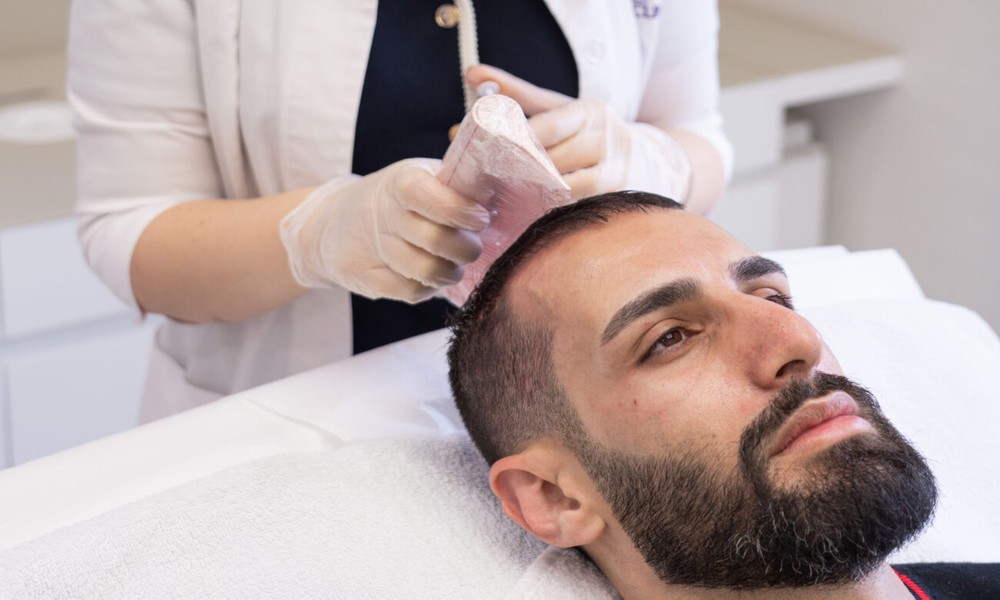
Hair loss is one of the most common concerns men face today, and it affects far more than just appearance. For many men, losing hair can feel like losing a part of their identity. Confidence drops, hairstyles change, hats become everyday accessories, and mirrors suddenly feel less friendly. While some men embrace baldness confidently, others actively search for effective ways to slow down thinning hair or restore lost density. This growing demand has turned the hair restoration industry into a multi-billion-dollar market filled with medications, procedures, therapies, and countless products claiming to be the “best” solution.
But here comes the real challenge – with so many options available, which Hair Loss Treatment is actually best for men? The answer is not completely straightforward because hair loss varies from person to person. Some men experience mild thinning at the temples, while others face aggressive baldness across the crown and hairline. Age, genetics, hormones, lifestyle, stress, and even medical conditions can all influence hair loss patterns and treatment effectiveness.
Think of hair restoration like fixing a garden. Some gardens simply need better watering and nutrients, while others require major replanting. In the same way, some men can achieve good results with medications alone, while others may need advanced procedures like hair transplants for meaningful improvement.
The good news is that modern Hair Loss Treatment options are far more advanced than they were decades ago. Today’s treatments can slow hair loss, stimulate regrowth, strengthen existing follicles, and even permanently restore hair in many cases. From FDA-approved medications and PRP therapy to laser treatments and hair transplantation, men now have multiple effective choices depending on their goals and budget.
This article explores the best Hair Loss Treatment options for men, how they work, who they are best suited for, their pros and cons, and how to choose the right approach for long-term success.
Understanding Male Hair Loss
Hair loss in men is incredibly common, but understanding why it happens is the first step toward choosing the right Hair Loss Treatment. While losing a few strands daily is completely normal, excessive shedding, receding hairlines, and thinning crowns often indicate a deeper issue. Male hair loss can happen gradually over years or progress rapidly depending on genetics, hormones, lifestyle habits, and overall health.
The most common cause is androgenetic alopecia, also known as male pattern baldness. This condition is largely hereditary and linked to a hormone called DHT (dihydrotestosterone). DHT gradually shrinks hair follicles over time, causing thinner and weaker hair until growth eventually stops completely. Think of it like a tree receiving less water every year until it can no longer survive.
However, genetics are not the only factor involved. Stress, poor nutrition, smoking, sleep deprivation, medical conditions, and hormonal imbalances can also worsen hair thinning. Some men even experience temporary shedding after illness, emotional trauma, or rapid weight loss.
Common Causes of Hair Loss
Some of the leading causes include:
- Male pattern baldness
- Hormonal changes
- Stress and anxiety
- Nutritional deficiencies
- Scalp conditions
- Smoking and alcohol use
- Certain medications
Understanding the root cause is important because the best Hair Loss Treatment depends heavily on why the hair loss is happening in the first place.
Male Pattern Baldness Explained
Male pattern baldness usually begins with a receding hairline or thinning crown. Over time, the hair becomes finer, weaker, and less dense. Early skin treatments often produces better results because active follicles respond more effectively before permanent damage occurs.
How to Choose the Right Hair Loss Treatment
Choosing the best Hair Loss Treatment is not about finding the most expensive option or the trendiest procedure on social media. The right treatment depends on your stage of hair loss, age, lifestyle, expectations, and budget.
Some men only need preventive treatment to slow early thinning, while others require more aggressive restoration methods. Imagine trying to repair a small crack in a wall versus rebuilding an entire structure. The approach naturally changes based on the severity of the issue.
Severity of Hair Loss
Mild thinning often responds well to medications and PRP therapy. Moderate to advanced baldness may require a combination of treatments or a hair transplant for visible density restoration.
Age and Genetics
Younger men with aggressive genetic hair loss may benefit from early intervention using medications to preserve existing follicles. Older men with stable hair loss patterns are often better candidates for transplantation.
Budget and Expectations
Some treatments require ongoing maintenance costs. Others involve higher upfront investment but longer-lasting results. Setting realistic expectations is extremely important because no treatment creates overnight transformation.
Medications for Hair Loss Treatment
Medications are among the most widely used forms of Hair Loss Treatment because they are accessible, non-surgical, and scientifically studied.
Minoxidil
Minoxidil is a topical solution or foam applied directly to the scalp. It helps stimulate blood flow and extend the hair growth cycle. Many men use it to slow thinning and encourage regrowth.
The treatment works best for:
- Early-stage thinning
- Crown hair loss
- Maintaining existing hair
Visible improvement often takes several months of consistent use.
Finasteride
Finasteride is an oral medication designed to reduce DHT levels, which are responsible for shrinking hair follicles in male pattern baldness.
Many dermatologists consider Finasteride one of the most effective long-term Hair Loss Treatment options for men because it targets the hormonal cause directly.
However, possible side effects may include:
- Reduced libido
- Hormonal changes
- Mood changes in rare cases
Patients should always consult qualified medical professionals before starting prescription treatments.
PRP Hair Loss Treatment
PRP, or Platelet-Rich Plasma therapy, has become increasingly popular as a regenerative Hair Loss Treatment for men experiencing thinning hair.
How PRP Works
The procedure involves drawing a small amount of the patient’s blood, processing it to concentrate growth factors, and injecting the platelet-rich plasma into the scalp. These growth factors help stimulate dormant follicles and improve scalp health.
Think of PRP like giving weakened hair follicles a nutritional “boost” to encourage stronger growth.
Expected Results
PRP is often most effective for:
- Early hair thinning
- Improving hair thickness
- Supporting transplant recovery
Most patients require multiple sessions spaced several weeks apart. Maintenance treatments are also commonly needed.
Hair Transplant Surgery
For men with significant baldness, hair transplant surgery is often considered the most powerful permanent Hair Loss Treatment available today.
FUE Hair Transplant
Follicular Unit Extraction (FUE) involves removing individual follicles from the donor area and implanting them into thinning regions.
Benefits include:
- Minimal scarring
- Natural-looking results
- Faster recovery
FUT Hair Transplant
Follicular Unit Transplantation (FUT) removes a strip of scalp from the donor area before separating grafts.
While FUT may leave a linear scar, it can sometimes provide higher graft numbers in a single session.
Hair transplants offer permanent growing hair because transplanted follicles are usually resistant to balding.
Laser Hair Loss Treatment
Laser-based Hair Loss Treatment options have also gained popularity due to their non-invasive nature.
Low-Level Laser Therapy
Low-Level Laser Therapy (LLLT) uses light energy to stimulate follicles and improve scalp circulation. Laser caps and in-clinic devices are commonly marketed for this purpose.
While results vary, many men use laser therapy as a supportive treatment alongside medications or PRP rather than as a standalone solution.
Natural and Lifestyle-Based Hair Loss Treatment
Lifestyle habits can strongly influence hair quality and scalp health. While natural methods may not completely reverse advanced baldness, they can support overall hair strength and improve the effectiveness of other treatments.
Nutrition and Diet
Hair requires nutrients such as:
- Protein
- Iron
- Zinc
- Biotin
- Vitamin D
Poor nutrition can weaken follicles and worsen shedding.
Stress Management
Chronic stress can trigger excessive shedding and disrupt the hair growth cycle. Exercise, sleep, meditation, and healthy routines may help reduce stress-related hair loss.
Comparing the Best Hair Loss Treatments
Here is a simplified comparison of popular Hair Loss Treatment options:
| Treatment | Best For | Permanence | Maintenance |
| Minoxidil | Early thinning | Temporary | Continuous |
| Finasteride | Male pattern baldness | Long-term control | Continuous |
| PRP Therapy | Mild to moderate thinning | Semi-temporary | Regular sessions |
| Hair Transplant | Advanced baldness | Permanent | Minimal |
| Laser Therapy | Supportive treatment | Temporary | Ongoing |
Each option has advantages depending on the patient’s goals and stage of hair loss.
Which Hair Loss Treatment Works Fastest
Many men searching for a Hair Loss Treatment want quick visible improvement. However, hair restoration is generally a gradual process because hair follicles require time to cycle and grow.
Hair transplants create the most dramatic permanent transformation, but final results can take 12 to 18 months. Medications and PRP often require several months before noticeable improvement appears.
Patience is essential because consistent long-term treatment usually produces the best outcomes.
Is Combining Hair Loss Treatments Better
Many specialists recommend combining multiple Hair Loss Treatment methods for stronger results. Combination approaches can target different aspects of hair loss simultaneously.
For example:
- Finasteride may slow DHT-related loss
- Minoxidil may stimulate growth
- PRP may improve follicle health
- Hair transplants may restore lost density
This layered strategy often produces better long-term maintenance and fuller-looking hair.
Risks and Side Effects of Hair Loss Treatments
Every Hair Loss Treatment comes with potential side effects or limitations.
Common Risks Include:
- Scalp irritation
- Temporary shedding
- Medication side effects
- Swelling after procedures
- Infection risk after surgery
Choosing qualified providers and following professional guidance can significantly reduce complications.
Conclusion
The best Hair Loss Treatment for men ultimately depends on the severity of hair loss, genetics, age, lifestyle, and personal goals. Some men achieve excellent results with medications and PRP therapy, while others benefit more from permanent restoration through hair transplantation.
There is no universal “perfect” solution for everyone. Early intervention, realistic expectations, and consistency often make the biggest difference in long-term success. Modern hair restoration options have advanced tremendously, giving men more effective choices than ever before.
Hair loss may be common, but today’s treatments provide real opportunities to regain confidence, improve appearance, and feel more comfortable again.
FAQs
1. What is the most effective Hair Loss Treatment for men?
Hair transplants are often considered the most permanent solution, while Finasteride is one of the most effective medications for slowing male pattern baldness.
2. Can hair loss be reversed naturally?
Natural methods may improve hair health and reduce shedding, but advanced genetic baldness usually requires medical or procedural treatment.
3. How long does it take to see Hair Loss Treatment results?
Most treatments require at least 3 to 6 months before noticeable improvement becomes visible.
4. Is PRP Hair Loss Treatment permanent?
No, PRP typically requires maintenance sessions because results are not permanent.
5. Can combining treatments improve hair restoration results?
Yes, many specialists recommend combining therapies such as medications, PRP, and transplantation for stronger overall results.
